

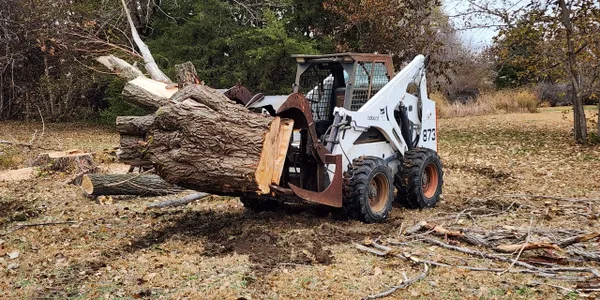
Trees are a beautiful addition to any property, providing shade, improving air quality, and enhancing the overall aesthetic. However, there are times when tree removal becomes necessary, whether due to disease, safety concerns, or property development. Understanding the process and the best practices can save homeowners time, money, and potential hazards.
Why Tree Removal May Be Necessary
Tree removal is often seen as a last resort, but several situations make it unavoidable:
- Trees that are dead, dying, or severely damaged can pose serious risks to nearby structures, vehicles, or people.
- Overgrown roots may damage foundations, sidewalks, or underground utilities.
- Certain tree species can spread disease or pests that threaten other plants and trees in your yard.
- Construction or landscaping projects sometimes require removing trees to make way for new developments.
Recognizing these signs early helps prevent accidents and costly repairs. Consulting a certified arborist is highly recommended, as they can assess tree health and determine the safest removal approach.
The Tree Removal Process Explained
Professional Tree removal is more than just chopping down a tree—it’s a carefully planned procedure that ensures safety and efficiency. The process typically involves:
- Assessment – Experts evaluate the tree’s size, location, and health. This step identifies potential hazards and determines the necessary equipment.
- Preparation – The surrounding area is cleared, and safety barriers are installed to protect property and bystanders.
- Cutting and Dismantling – Using chainsaws, cranes, or ropes, the tree is methodically cut into sections. Professionals often remove branches first, working down to the trunk.
- Stump Removal and Cleanup – Depending on preference, the stump may be ground down or removed entirely. All debris is cleared, leaving your property neat and safe.
A professional approach minimizes the risk of injury and property damage while ensuring the tree is removed efficiently.
Choosing the Right Tree Removal Service
Finding a reliable tree removal service is crucial for a smooth experience. Here are a few tips:
- Look for certified arborists or companies with proper licensing and insurance.
- Check customer reviews and ask for references to confirm their track record.
- Discuss pricing upfront and ensure there’s transparency about all fees, including stump grinding or debris hauling.
- Ask about eco-friendly disposal methods; some companies recycle wood or chip branches for mulch.
Hiring skilled professionals not only guarantees safety but also provides peace of mind that the job will be done correctly.
DIY vs. Professional Tree Removal
While small trees may seem manageable for DIY enthusiasts, it’s essential to understand the risks involved:
- Falling trees can cause severe injuries or property damage if not handled properly.
- Specialized equipment is often required, which can be expensive and dangerous to operate without experience.
- Improper cutting can harm nearby plants or structures, creating more problems than solutions.
For these reasons, professional tree removal is almost always the safer and more efficient choice, especially for larger or hazardous trees.
Conclusion
Tree removal is a necessary part of maintaining a safe and healthy property. While it can be challenging, understanding the process, recognizing when it’s needed, and hiring the right professionals can make all the difference. Whether you’re dealing with a diseased tree, overgrown roots, or preparing your yard for a new project, approaching tree removal with care ensures both safety and peace of mind. Remember, investing in expert service today prevents accidents and costly repairs tomorrow.