

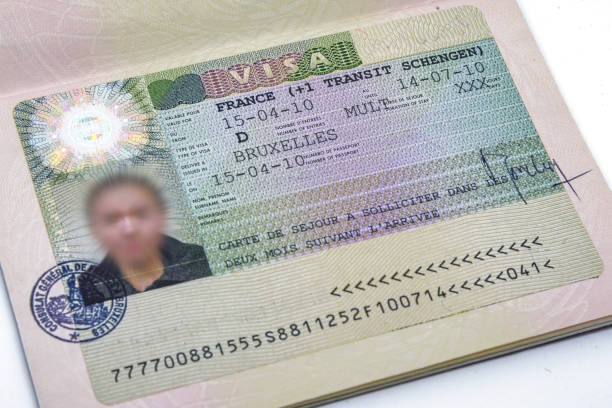
Preparing a visa application involves more than completing forms and gathering travel documents. A photograph may look like a small part of the process, but an incorrectly prepared image can create unnecessary problems. Understanding the requirements for a Schengen visa photo helps applicants prepare an image that meets the expected standards before submitting their documents.
A suitable photograph should present the applicant clearly, naturally, and consistently with the identification requirements used for visa processing. Factors such as dimensions, lighting, background, facial expression, and image quality can all influence whether the photograph is accepted. Taking a few minutes to check these details can make the application process much smoother.
Understanding the Schengen Visa Photo Size
One of the first details applicants should verify is the Schengen visa photo size. The standard photograph generally measures 35 mm wide by 45 mm high. This portrait format is designed to provide enough space for the face while maintaining the proportions expected for official identification.
The photograph should be printed clearly on high-quality photographic paper when a physical image is required. Digital applications may have additional technical requirements, so applicants should always check the instructions provided by the relevant consulate, embassy, or visa application center.
Schengen Visa Photo Size and Facial Position
Correct dimensions alone do not guarantee a suitable Schengen visa photo size. The applicant’s face should be positioned appropriately within the frame, with the head centered and the facial features clearly visible. The image should not make the face appear unusually large, small, stretched, or compressed.
The camera should be positioned at approximately eye level. Applicants should look directly toward the camera while maintaining a natural expression. Excessive tilting, turning, or unusual head positioning can make the photograph less suitable for identification purposes.
Choose a Plain and Suitable Background
A clean background is an important part of a professional Schengen visa photo. A plain, light-colored background helps create clear separation between the applicant and the surrounding area. Shadows, furniture, decorations, patterns, and other distracting elements should not appear behind the person.
Lighting should also be balanced. Strong shadows across the face, bright spots, dark areas, or harsh reflections can reduce image clarity. Soft, even lighting is generally preferable because it allows facial features to remain visible without creating unnecessary contrast.
Clothing, Accessories, and Facial Expression
Applicants should select simple clothing that contrasts reasonably with the background. The purpose of the image is identification rather than personal styling, so clothing with distracting patterns or extremely bright designs is best avoided.
A natural, neutral facial expression is normally the safest choice. The mouth should generally remain closed, and the eyes should be clearly visible. Sunglasses and other items that obscure the face should not be worn unless they are specifically permitted for a particular reason.
For a quick final check, review these four areas before submitting your image:
- Keep the face centered and fully visible.
- Use an evenly lit, plain background.
- Avoid sunglasses, heavy shadows, and distracting accessories.
- Make sure the final image is sharp and free from visible editing artifacts.
Digital Quality Matters Too
When preparing a digital Schengen visa photo, image quality deserves the same attention as physical dimensions. A photograph that appears sharp on a phone may become blurry after uploading, resizing, or compressing. The final file should preserve natural facial details without excessive sharpening or artificial effects.
Editing should remain limited to appropriate technical adjustments. Filters that dramatically change skin tone, facial structure, background appearance, or other identifying characteristics can make the image unsuitable. The goal should be a realistic representation rather than a heavily enhanced portrait.
Common Mistakes Applicants Should Avoid
Several simple mistakes can make an otherwise good Schengen visa photo less suitable. Taking a selfie from an unusual angle, using a patterned wall as the background, applying beauty filters, cropping too closely, or submitting an old photograph can all create avoidable issues.
Applicants should also avoid photographs where hair covers important facial features or where lighting creates reflections on glasses. Before printing or uploading the image, compare it carefully with the latest instructions from the authority handling the application.
Final Check Before Submission
A final review is worthwhile because small errors are easier to correct before an application is submitted. Check the dimensions, image clarity, background, facial position, expression, and overall appearance. If the photograph is being printed, make sure the print itself is clean and properly cropped.
The correct Schengen visa photo size is an important starting point, but successful preparation involves more than measurements. A clear, properly positioned, natural-looking photograph gives the application a professional appearance and reduces the risk of preventable photo-related issues.
Conclusion
Preparing a Schengen visa photo does not have to be complicated when each requirement is considered carefully. From the correct Schengen visa photo size to lighting, background, facial positioning, and image quality, every detail contributes to a suitable final photograph. Applicants should review the current instructions of the relevant visa authority before submission because requirements can vary by application method or location. A careful final check can help ensure the photograph is ready alongside the rest of the visa documentation.
Leave feedback about this