

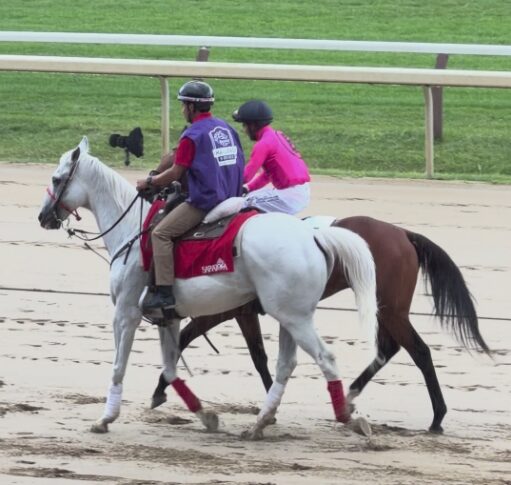
Horse racing colors are the registered color and pattern combination that identifies a horse’s owner, and jockey racing silks are the garments that carry those colors onto the track. The jacket and cap a rider wears are not decoration. They work as an identity badge that spectators, officials, and broadcasters use to follow each runner through the race. If you are new to ownership, or you just want to understand what you see on a race card, this guide covers what the silks are, how they are made, and what to think about before you order a set.
Where Did Horse Racing Colors Come From?
The word “silks” is a leftover from earlier times. The first racing colors really were made of silk, which was the lightest strong fabric available. It was also expensive, slow to dry, and easy to tear. As synthetic materials improved through the twentieth century, the sport moved on to better fabrics but kept the name.
What Are Modern Jockey Racing Silks Made Of?
Polyester is the workhorse. It holds color very well through repeated washing and sun, dries fast, and resists the fading that ruins bright shades. It also wicks moisture. Unlike cotton, which soaks up sweat and stays heavy, polyester pushes moisture to the surface where it can dry.
Adding a small amount of spandex gives the fabric stretch and recovery. That matters because it lets a maker cut the silks closer to the body without restricting the rider. A jockey works very hard for about two minutes, often in summer heat, wearing a helmet, a safety vest, and boots. Silks that breathe and move with the rider remove one small annoyance from someone who already has plenty to think about.
Does Fit Really Matter for Jockey Racing Silks?
It does. Silks are made to a size, and a set cut for a lighter rider will not sit properly on a heavier one. If it is too big, it billows. If it is too small, it restricts the shoulders and the reach forward, and that is worse than a loose fit. When you place an order, it helps to know who will most often ride your horse so the cut suits the rider.
How Do You Choose Horse Racing Colors That Work?
Your colors have to be recognized from far away, which is why contrast matters more than the shades themselves. Choose two colors that are clearly different in lightness. White or yellow on navy, green, or maroon works well. Orange and gold are favorites because they stay bright on a gray day and under lights.
Large simple shapes do the heavy lifting. A solid body, a sash, wide hoops, or one or two big chevrons will be visible from the upper grandstand. Fine stripes, dots, and gradients get lost. Give the sleeves their own treatment, since they stay in view even when another horse blocks the body. Choose a cap that contrasts with both the body and the rider’s helmet cover.
Can Two Owners Have the Same Horse Racing Colors?
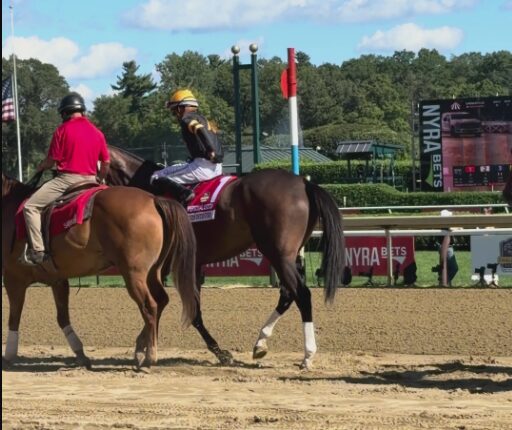
No. Racing colors are registered, and the registry will not allow two owners to hold the same combination. In the United States, The Jockey Club handles registration, and individual states and racing commissions can add their own requirements. The process page at Saratoga Silks Co. points out that anyone racing in New York State needs their design approved by the Jockey Club first.
The practical advice is simple. Sketch two or three designs you would be happy with and check availability before you order anything. Being told that your favorite pattern was claimed years ago is a disappointment you can avoid.
How Does the Ordering Process Work for Custom Jockey Racing Silks?
At Saratoga Silks Co., the process is built around four steps. First you send your silks design. Then the team matches fabrics to your color scheme and suggests options, and fabric swatches can be mailed to you on request. After everything is finalized, production begins right away in the company’s shop in the heart of Saratoga Springs, New York. The last step is the one every owner is waiting for: watching your colors on the track and, hopefully, in the winner’s circle.
Several details on the website are worth knowing. The company says it offers more than 1,000 shades, plus custom color strike-offs if you need something specific. Swatches cost $9. The company states that, once you approve your proof, silks can be produced within 24 hours and shipped next-day air, so they can reach you in as little as 36 hours. Standard turnaround is listed as a few days. The home page says 2 to 4 days, while the FAQ page says 2 to 5 days, so it is smart to confirm timing when you order.
On pricing, each set is a unique design and is quoted when your sketch arrives. The FAQ says sets typically cost between $320 and $380. Shipping averages $9 unless you request expedited service. Bulk pricing is available on request, and the company accepts credit cards only. Your designs, colors, and logos are saved, which usually speeds up reorders. Shipping straight to a track or trainer is possible, and matching blinkers can be made too.
Who Is Behind Saratoga Silks Co.?
The business is run by Michael Borisenok, who has owned and operated a garment manufacturing company for 13 years, specializing in sportswear. He chose to keep production local from the start, so the factory operations sit in Saratoga Springs. His family owns a local farm and breeds thoroughbreds, which pushed him to combine the horse industry with his custom manufacturing background. The stated goal is a quality product with clear communication, so the process stays simple, easy, and fast. You can browse the options and start an order at Saratoga Silks Co.
What Should You Know Before You Approve a Design?
Be careful with the final approval. Once payment is received, the order cannot be canceled or refunded, and returns are not accepted. Any change after you approve the design carries an extra fee. Take time to review the proof, check how it looks at thumbnail size, and confirm the colors against swatches if you can. A few extra minutes at this stage protects you from a costly mistake.
It is also wise to order before you need the silks. A horse can draw into a race with little notice, and a last minute scramble adds stress. Fast production helps, but planning ahead is still the better habit.
Final Thoughts
Horse racing colors tell the crowd who owns the horse, and jockey racing silks carry that message at 35 miles an hour. The best sets combine strong contrast, simple shapes, a registered design, and a fabric that is light, breathable, and well fitted to the rider. Choose carefully, check availability early, and work with a maker that understands both manufacturing and the sport.
FAQ
What do horse racing colors mean?
Horse racing colors identify the owner of a horse. Each combination of colors and pattern is registered, so spectators, officials, and broadcasters can recognize a runner during the race.
Are jockey racing silks made from real silk?
No. Modern silks are made from synthetic fabrics, usually polyester or a polyester and spandex blend. These materials are lighter, dry faster, and hold color better than real silk.
How much do custom jockey racing silks cost?
Pricing depends on the design. According to the Saratoga Silks Co. FAQ, a set typically costs between $320 and $380, and shipping averages $9 unless you ask for expedited delivery.
How fast can I get custom silks if my horse draws in suddenly?
After you approve your proof, the company says it can produce your silks within 24 hours and ship them next-day air, which can put them in your hands in as little as 36 hours.