

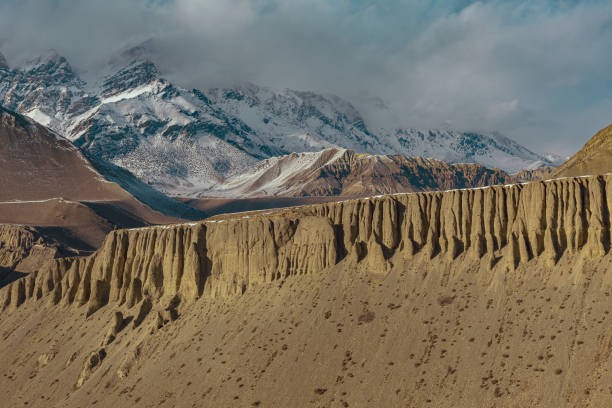
Upper Mustang is not the sort of place you can decide to visit on a Friday and reach by Monday. It sits in the rain shadow of the Annapurna range, close to the Tibetan border, and it stayed closed to outsiders until 1992. That isolation is the reason the walled city of Lo Manthang, the cliff villages and the old monasteries still feel so untouched. A little planning in advance makes the whole trip far easier.
Start with the basics. Most people hire a licensed local agency, since a Upper Mustang trip involves restricted-area permits that you cannot get on your own. The agency also sorts out your guide, your transport and your teahouse bookings. This saves you a lot of running around in Kathmandu and avoids trouble at the checkpoint in Kagbeni.
Permits and Paperwork
The Restricted Area Permit costs USD 500 per person for the first ten days, plus a daily charge after that. You also need the ACAP permit for the Annapurna Conservation Area. Solo travel is not allowed, so you need at least two people and a registered guide. Keep a few passport photos and a copy of your passport handy, because your agency will ask for them.
Getting Your Body Ready
Much of the route stays above 3,000 metres, and Lo Manthang is at about 3,800. You do not need to be an athlete, but some regular walking for a month or two before you leave helps a lot. Even if you travel by jeep, the roads are rough and the days are long, so a reasonably fit body copes better.
Take your time as you gain height. Drink plenty of water, do not rush the first days, and tell your guide at once if you get a headache or feel dizzy.
What to Pack
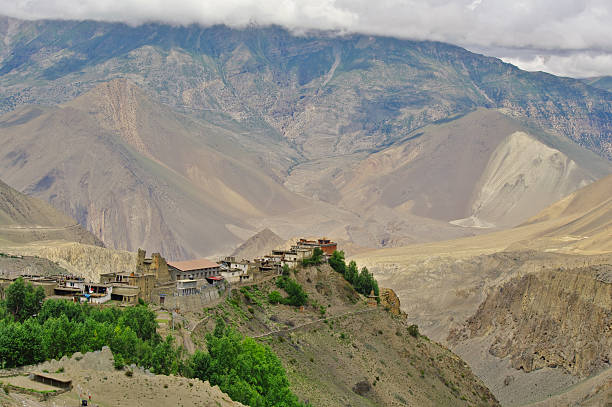
The climate here is dry, windy and bright. Mornings are cold, afternoons can be hot, and the dust gets into everything. The items below are the ones people most often forget or regret leaving behind:
- Broken-in trekking boots, not brand-new ones
- Windproof jacket and a warm down layer for evenings
- Sunglasses, a sun hat and strong sunscreen
- A scarf or buff to keep dust out of your nose and mouth
- A reusable water bottle and purification tablets
Choosing Your Route
Most trips run from Kathmandu to Pokhara, then to Jomsom, and on to Kagbeni and Lo Manthang. You can walk it, drive it, or do a bit of both. Walking takes around twelve to fourteen days. A jeep tour can be done in seven to ten, which suits people with less time or those who prefer not to trek.
Along the way you will pass Tsarang, the Chhoser caves and the Ghar Gompa area. These are worth slowing down for, so do not cram too many stops into too few days.
Respect for Local Customs
People here live a deeply Buddhist way of life. Walk clockwise around mani walls and chortens, take off your shoes before entering a prayer hall, and always ask before photographing monks, villagers or rituals. A small gesture of respect goes a long way.
Conclusion
A trip to this high desert kingdom goes smoothly when the groundwork is done early. Sort out your permits through a registered agency, build some stamina, pack for sun, wind and cold, and choose a route that matches your time and energy. Do that and you can spend your days enjoying the cave villages, the monasteries and the huge empty landscapes instead of worrying about logistics.