

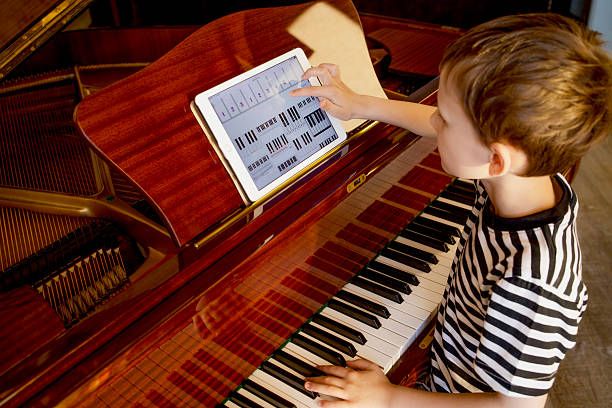
Most kids start piano lessons excited. Then, somewhere around week six or seven, the excitement fades, and practice turns into a nightly negotiation. Parents know this pattern well – the initial enthusiasm for a shiny new instrument gives way to resistance the moment lessons stop feeling like play and start feeling like an obligation. It’s not that kids lose interest in music. It’s that the way piano has traditionally been taught wasn’t built with a child’s attention span or motivation in mind.
Why Traditional Method Books Struggle With Kids
Classic piano curricula lean heavily on repetition: learn a piece, practice it until it’s clean, then move to the next one in the book. For an adult with long-term goals and patience, that structure can work. For a seven-year-old, playing the same eight bars for the fifth night in a row feels like punishment, not progress. Kids disengage quickly when practice stops producing anything new to be excited about, and once that disengagement sets in, getting them back to the bench becomes a daily battle.
There’s also a mismatch in pacing. Method books assume every student moves at roughly the same speed, chapter by chapter. But kids progress unevenly – some fly through note reading and get bored waiting for the book to catch up, while others need more time on a concept than the curriculum allows before moving on regardless. Neither situation keeps a kid engaged for long.
What Gamified Practice Actually Solves
Parents searching for a more game-like approach to piano aren’t looking for gimmicks – they’re looking for a structure that mirrors what already holds a kid’s attention in video games: a steady stream of new challenges, clear feedback on how they’re doing, and a sense of forward motion that a single repeated piece just can’t provide. Sight reading fits this model naturally. Instead of mastering one song at a time, a child is constantly presented with new music scaled to their current level, which keeps practice feeling like play rather than review.
Instant feedback plays a bigger role here than most parents expect. Kids don’t have the patience to wait until the next weekly lesson to find out if they played something correctly – they want to know immediately. Tools that can respond in real time, the way a private teacher watching over a shoulder would, keep a child’s attention anchored to what they’re doing right now instead of drifting after a few minutes of uncertainty.
Where Technology Fills a Real Gap
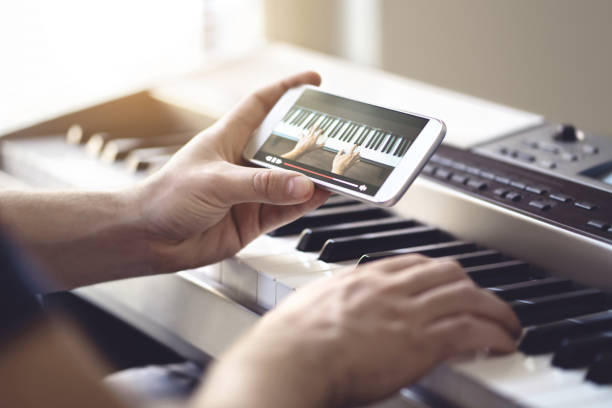
Private lessons remain the gold standard for personalized instruction, but weekly sessions alone rarely produce enough practice volume for a child to actually improve, and parents often lack the musical background to guide effective practice at home between lessons. This is the gap that has pushed many families toward the best piano learning app free options available, since a well-designed app can supply the daily structure and feedback a once-a-week lesson simply can’t cover on its own.
The appeal isn’t replacing a private teacher – it’s supplementing what happens the other six days of the week, when a kid is practicing alone and needs something more engaging than a static page of sheet music to guide them. Platforms like MuseFlow have built their entire approach around this exact gap, pairing continuous sight-reading with instant feedback so a child gets something closer to a private teacher’s attention during independent practice. Parents who’ve tried pairing traditional lessons with a daily practice tool like this often notice their kids sitting down at the piano without being asked, which is usually the clearest sign that the resistance has actually eased.
What Teachers Are Noticing Too
It’s not just parents driving this shift. Piano teachers managing a roster of young students are increasingly looking for sight-reading tools that can extend their curriculum beyond the lesson book, giving students unlimited fresh material to practice between sessions instead of the same handful of exercises reused across an entire semester. For teachers building out online piano lessons for kids, having a tool that generates continuously new content solves a real curriculum limitation that traditional method books were never designed to address.
Making Practice Something Kids Choose, Not Endure
The families who see the best results tend to treat practice time as something to make engaging first and disciplined second – a kid who’s genuinely curious about what comes next will sit down at the piano without being told to. Structures built around continuous new music, real-time correction, and steady forward progress tend to produce exactly that kind of curiosity, replacing the nightly negotiation with something closer to a habit a child actually wants to keep, one where practice starts to feel less like homework and more like a game they choose to keep playing.
FAQs
Q1: What are online piano lessons for kids?
Online piano lessons for kids provide structured musical instruction through digital platforms, helping children develop keyboard skills, rhythm, note reading, and confidence from home.
Q2: Is there a best piano learning app free for beginners?
A best piano learning app free can offer accessible exercises, interactive activities, practice tools, and beginner-friendly guidance for children starting their musical journey.
Q3: Can children learn piano effectively online?
Yes. Online instruction can help children build consistent practice habits while developing finger coordination, rhythm, music reading, and basic playing techniques.
Q4: How often should kids practice piano?
Short, consistent sessions are generally effective for young learners. Regular practice can help reinforce techniques, improve coordination, and maintain musical interest.
Q5: What should parents look for in a piano learning app?
Parents can consider age-appropriate lessons, clear instructions, engaging exercises, progress tracking, beginner support, and activities that encourage consistent practice.
Leave feedback about this