


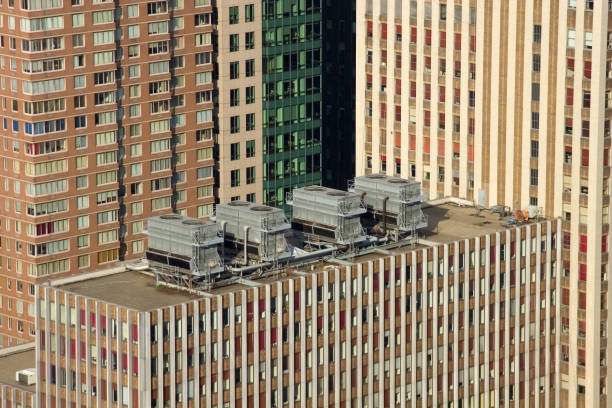
Cooling towers are widely used in commercial and residential buildings to maintain temperature control, but they also require careful oversight. The issue of NYC Cooling Tower Legionella has gained attention due to its potential to cause serious illness when systems are not properly maintained. Building operators must follow strict guidelines to avoid a NYC Cooling Tower Violation and ensure a safe environment for occupants.
Why Cooling Towers Require Attention
Cooling towers operate by circulating water, which creates an environment where bacteria can grow if not properly managed. NYC Cooling Tower Legionella becomes a concern when contaminated water droplets are released into the air. This risk highlights the importance of regular system checks and preventive maintenance.
If building owners fail to maintain these systems properly, they may face a NYC Cooling Tower Violation. Such violations can have financial and legal consequences, making compliance a critical responsibility.
Key Compliance Standards
New York City requires cooling towers to be registered and inspected regularly. These rules were established to reduce the spread of NYC Cooling Tower Legionella and ensure public safety. Compliance involves routine testing, cleaning, and documentation.
Failure to meet these standards often results in a NYC Cooling Tower Violation. Inspections are conducted to verify that buildings are following regulations, and any gaps in compliance are addressed through enforcement actions.


Maintenance Essentials
Routine maintenance is essential for controlling bacterial growth. This includes cleaning the system, removing debris, and ensuring proper water circulation. These steps help minimize the risk of NYC Cooling Tower Legionella developing within the system.
Neglecting maintenance tasks can quickly lead to a NYC Cooling Tower Violation. Even small oversights can allow bacteria to multiply, increasing the likelihood of contamination and regulatory penalties.
Role of Water Testing
Water testing is a key component of cooling tower management. Regular sampling helps detect the presence of NYC Cooling Tower Legionella before it becomes a serious issue. Testing must be performed according to city guidelines and documented accurately.
If testing is not conducted or results are ignored, authorities may issue a NYC Cooling Tower Violation. Prompt action based on test results is necessary to maintain compliance and protect public health.
Challenges in Compliance
Maintaining compliance can be challenging, especially in large buildings with complex systems. Factors such as inconsistent maintenance schedules and lack of expertise can contribute to NYC Cooling Tower Legionella risks.
These challenges can increase the likelihood of a NYC Cooling Tower Violation. Addressing them requires proper planning, skilled personnel, and a commitment to ongoing system monitoring.
Importance of Preventive Measures
Preventive measures are the most effective way to control risks. Regular inspections, proper chemical treatment, and staff training all play a role in managing NYC Cooling Tower Legionella. These actions help ensure that systems remain safe and compliant.
Investing in preventive strategies reduces the chances of receiving a NYC Cooling Tower Violation. It also helps avoid costly repairs and potential health risks associated with bacterial outbreaks.
Conclusion
Managing cooling towers effectively is essential for maintaining safety in urban environments. NYC Cooling Tower Legionella can be controlled through consistent maintenance, testing, and adherence to regulations. Avoiding a NYC Cooling Tower Violation requires proactive planning and attention to detail. By prioritizing compliance and safety, building owners can ensure reliable system performance and protect public health.